Elevate Your Body Care Routine with Body Oil and Body Butter
Updated: Sep 13
Body oil and body butter are often grouped together, but they serve different roles in a body care routine. Understanding how each one works and when to use them can make a noticeable difference in skin hydration, comfort, and overall feel. Rather than choosing one over the other, the key is knowing what your skin needs at different moments and how texture, absorption, and finish affect the experience of daily body care.
The Benefits of Body Oil
Body oils are designed to help seal in moisture and support skin softness. They work especially well when applied to damp skin, such as immediately after showering, when water is still present on the surface of the skin. A well-formulated body oil absorbs smoothly, enhancing flexibility and comfort without leaving a heavy residue. The finish can range from lightweight and satin-like to richer and more enveloping, depending on the formulation.
What matters most is how quickly the oil absorbs and how it wears throughout the day. Body oils are often preferred by those who want hydration without weight. When applied correctly, they can leave the skin feeling smooth, conditioned, and comfortable rather than greasy.
How to Apply Body Oil
To maximize the benefits of body oil, apply it right after your shower. Pat your skin dry, leaving it slightly damp, and then massage the oil into your skin. Focus on areas that tend to be drier, like elbows and knees. This method helps lock in moisture and enhances the oil's hydrating properties.
The Comfort of Body Butter
Body butters are richer in texture and are designed to provide longer-lasting comfort. They help reduce moisture loss by forming a soft barrier on the skin, making them especially useful for dry or very dry skin types.
The texture matters here a whipped or well-balanced butter should melt into the skin gradually rather than sitting heavily on the surface. Body butters are often chosen when skin feels tight, rough, or depleted, or during colder months when additional comfort is needed.
Tips for Using Body Butter
For the best results, apply body butter to clean, dry, damp skin. Take a small amount and warm it between your palms before applying. This helps the butter melt and spread more easily. Focus on areas that need extra moisture, and don’t forget to treat your hands and feet, which often require additional care.
Body Oil vs. Body Butter: Key Differences
While both products support hydration, they do so in different ways. Body oils are typically lighter in feel and absorb more quickly. They are ideal for post-shower use and for those who prefer a smooth, weightless finish. Body butters offer more structure and longevity, making them better suited for extended moisture and skin comfort.
The difference is not about which product is “better,” but about how each one functions. One enhances moisture retention and softness through lightweight conditioning, while the other provides sustained comfort through richer texture.
When to Use Each — and When to Use Both
Body oil is often best used immediately after showering, when skin is still slightly damp. This allows the oil to lock in moisture and support hydration without feeling heavy. Body butter works well on dry skin at any time of day, especially in areas that need extra attention such as elbows, knees, or lower legs. It can also be used in the evening as part of a more restorative routine.
Using both together can be especially effective. Applying a body oil first and following with a body butter helps combine the benefits of lightweight hydration and long-lasting comfort. This layered approach supports skin softness while maintaining a refined, balanced finish.
Choosing What’s Right for Your Skin
The best choice depends on your skin’s needs, your environment, and how you prefer your body care to feel. Some factors to consider include climate, time of day, and personal texture preference. Warmer weather and daytime routines often call for lighter products, while cooler conditions or nighttime care may benefit from richer formulas.
Rather than committing to a single product, many people find that having both options allows for more flexibility and intention in their routine.
A More Intentional Approach to Body Care
Understanding the difference between body oil and body butter helps simplify body care rather than complicate it. Each product serves a purpose, and when used thoughtfully, they work together to support hydrated, comfortable skin. The most effective routines are not about excess, but about choosing products that perform well, absorb properly, and feel good on the skin.
When body care is designed with texture, absorption, and finish in mind, it becomes easier to use consistently and consistency is what ultimately supports healthy, balanced skin.
By incorporating both body oil and body butter into your routine, you can create a luxurious experience that elevates your daily self-care. This intentional approach not only nourishes your skin but also transforms your body care into a ritual that feels special every day.
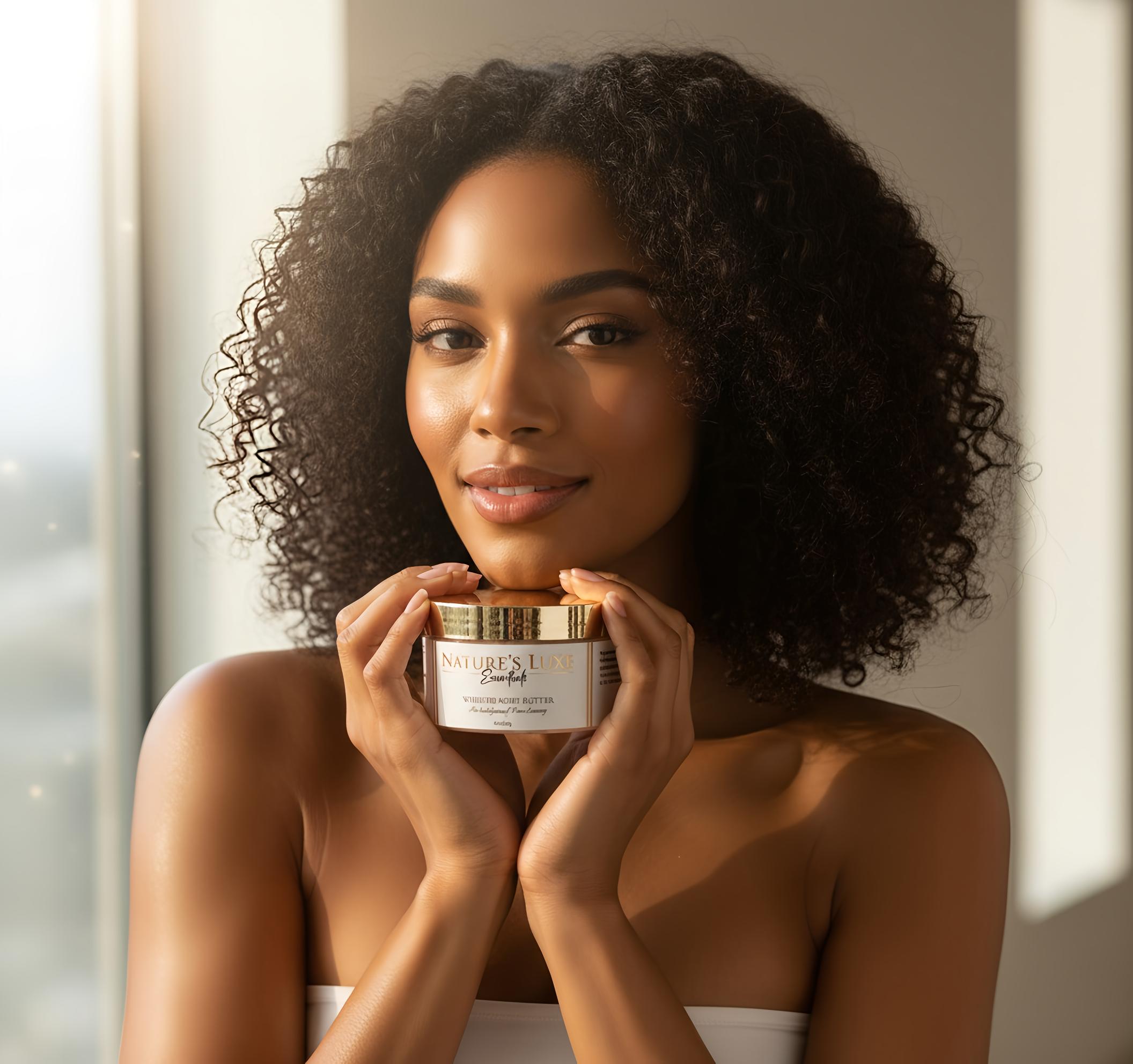
For a truly elevated experience, consider exploring Nature's Luxe Essentials, where you can find beautifully fragranced products that nourish the skin deeply.


Comments